• Skip to main content
  • Skip to footer

Eye Care in Northern Maine | Vision Care of Maine

Northern Maine's Trusted Eye Care Since 1976

  • Home
  • About Us
    • Our Doctors
      • Oscar R. Batlle, M.D.
      • Tracey Clark, D.O.
      • Luke Gamble, O.D.
      • George B. Peters III, M.D.
      • Brad Trask, O.D.
      • Jeremy Valentine, M.D.
      • Curt Tyler Young, M.D.
    • Our Staff
    • Testimonials
  • Services
    • Primary Eye Care
    • Cataract
    • Cornea
    • Retina
    • Glaucoma
  • Locations
    • Bangor
    • Houlton
    • Madawaska
    • Presque Isle ASC
    • Presque Isle
  • Blog
  • Patient Resources
    • FAQ
    • Online Payments

Dirk Cyr

Jan 23 2019

Why The Retina Is Important For Sight

Your eye has many parts that work together to give you clear vision. There is the cornea, which focuses incoming light. There is the pupil, which controls how much light enters. And deep inside the eye sits the retina, which is one of the most important structures for sight.

The retina is important for sight because it does the work of converting light into the images you see. Without a healthy retina, the rest of your eye cannot deliver the clear vision you depend on every day.

Keep reading to learn more about why the retina is important for sight and the conditions that can affect it. You can also learn more about retina care at Vision Care of Maine.
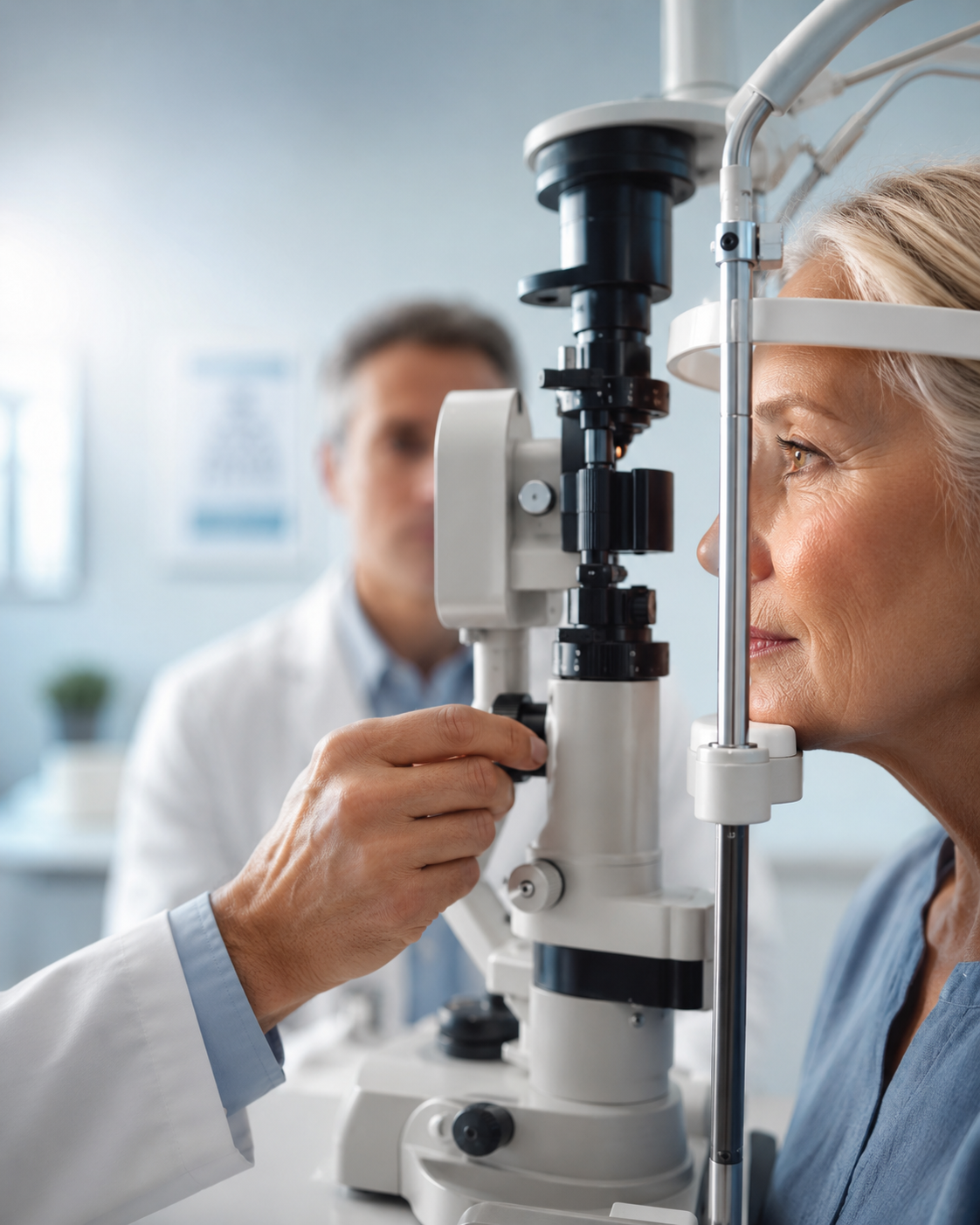
Why the Retina Is Important for Sight

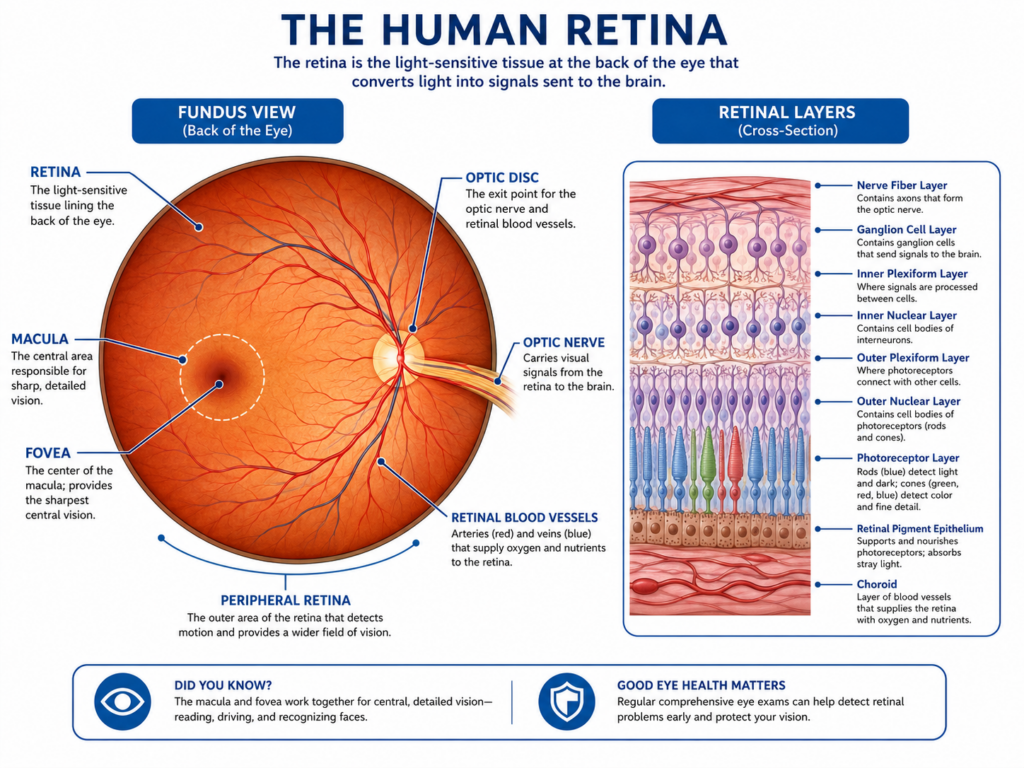
The retina is a thin layer of tissue lining the back wall of your eye. It is made up of ten layers, each with a specific job. The retina’s main role is to sense light and turn it into information your brain can use.

The retina does this using special cells called rods and cones. These cells are named after their shape:

  • Rods detect low levels of light and help you see in dim conditions. There are about 120 million rods spread across the retina.
  • Cones work in bright light and detect color. There are about 1 million cones, concentrated in the center of the retina.

When light hits the retina, these cells turn it into electrical signals. The signals travel through the optic nerve to your brain, where they become the images you see. This is the heart of why the retina is important for sight.

Common Retinal Problems That Threaten Sight

The retina is well protected inside your eye, but it can still develop problems. Here are some of the most common conditions to know about.

Macular Degeneration

Macular degeneration affects the macula, the center of the retina. When the macula breaks down, blood vessels can grow and leak underneath it, causing permanent damage to this sensitive tissue. Because the macula handles central vision, this condition can make it hard to read, drive, or recognize faces.

Retinal Detachment

Retinal detachment happens when the retina peels away from or tears off the back wall of the eye. This is a medical emergency. The retina can often be reattached with surgery, but only if treated quickly. Without prompt care, retinal detachment leads to permanent vision loss.

Retinopathy

Retinopathy can show up as a complication of diabetes or for other reasons. In diabetic retinopathy, high blood sugar damages the blood vessels in the retina, which can leak and lead to glaucoma, vision loss, and retinal detachment. Central serous retinopathy has no clear cause, though stress may play a role, and it most often affects young and middle-aged adults.

Protecting the Retina to Protect Your Sight

With the right treatment, many retinal problems are manageable. The key is early detection. If you notice changes in your vision, see your eye doctor right away.

Even if your vision feels fine, regular eye exams can catch issues before they cause permanent damage. For more information on retinal health, the American Academy of Ophthalmology offers detailed resources.

Schedule Your Eye Exam Today

The retina is important for sight, and protecting it starts with regular eye care. Vision Care of Maine sees patients in Bangor, Presque Isle, Houlton, and Madawaska.

Schedule an appointment with Vision Care of Maine today.

Written by Dirk Cyr · Categorized: Uncategorized

Nov 12 2018

4 Ways Glaucoma Is The Silent Thief Of Sight

Glaucoma is one of the most notorious eye diseases in the world. It earned the nickname the “silent thief of sight” because it steals vision slowly and quietly, often without warning until the damage is done. Understanding why glaucoma is the silent thief of sight is the first step to protecting your vision.

Glaucoma damages the optic nerve, which carries information from your eye to your brain. Once that damage happens, it cannot be reversed. That is what makes glaucoma the silent thief of sight, and why early detection matters so much.

Keep reading to learn the 4 reasons glaucoma is the silent thief of sight. You can also learn more about glaucoma care at Vision Care of Maine.

Older patient learning about glaucoma the silent thief of sight

1. Glaucoma Causes Permanent Vision Loss

Glaucoma damages the optic nerve, and that damage cannot be undone. The optic nerve is made of tough tissue, but once it is harmed, it does not heal.

Most glaucoma is caused by high pressure inside the eye. As the pressure builds, it presses harder and harder on the optic nerve, slowly destroying it. This is one reason glaucoma is the silent thief of sight.

2. There Are Different Kinds of Glaucoma

The most common form is open-angle glaucoma. Pressure builds up slowly over time when the eye’s drainage system is not working as fast as it should.

A more dangerous form is closed-angle glaucoma. This happens when the drainage system gets blocked, leaving fluid no way to escape. Vision loss happens quickly with this type, and symptoms include severe pain, headaches, and blurry vision.

In rare cases, glaucoma develops even when eye pressure is normal. This is called normal tension glaucoma, and it usually happens when the optic nerve is more fragile than average.

3. Glaucoma Is Hard to Detect

Open-angle glaucoma has no noticeable symptoms in the early stages. The only sign is vision loss, and by then, the damage is already done. This is the heart of why glaucoma is the silent thief of sight.

Glaucoma is tested for with a method called tonometry, which measures the pressure inside your eye. The most common version is the “puff of air” test, which is quick and harmless. A more involved test called applanation tonometry numbs the eye and uses an instrument to gently press on the cornea.

Because glaucoma can hide for years, regular eye exams are the only way to catch it early.

4. Glaucoma Is Treatable but Not Curable

There is no cure for glaucoma, but it can be managed with the right treatment. Most patients use eye drops that lower the pressure inside the eye. Some patients use oral medications, and in advanced cases, surgery may be needed.

The goal of treatment is to stop further damage. Any vision already lost cannot be restored, but with proper care, future vision loss can often be prevented. For more information on glaucoma, the American Academy of Ophthalmology offers detailed guides.

Protect Your Vision Today

Because glaucoma is the silent thief of sight, the best defense is regular eye exams. Vision Care of Maine sees patients in Bangor, Presque Isle, Houlton, and Madawaska.

Schedule a glaucoma screening with Vision Care of Maine today.

Written by Dirk Cyr · Categorized: Glaucoma

Aug 13 2018

Are Cataracts Affecting Your Day To Day Activities?

Cataracts are inevitable. As you get older, your chances of developing them only continue to rise. When cataracts start affecting daily activities, simple things like reading or driving become frustrating, and what used to be easy starts feeling harder than it should.

If cataracts are affecting daily activities for you, there is hope. Cataracts can put a stop to some of your favorite hobbies by clouding your vision, and they can tint everything yellow or brown. Cataract removal surgery is one of the most common procedures in medicine, and it is safe and well understood.

Keep reading to learn how cataracts affect daily activities and what cataract surgery can do for you. You can also learn more about cataract surgery at Vision Care of Maine.

Older patient whose cataracts are affecting daily activities

How Cataracts Affecting Daily Activities Begin

A cataract is made up of proteins in the fluid that flows through your eye. As cataracts form, these proteins clump together on the lens of the eye. The lens helps focus light onto the retina, so when it clouds over, your vision suffers.

At first, the change is subtle. Over time, the protein clumps grow larger and block more light. When cataracts start affecting daily activities like reading, driving, or recognizing faces, it is usually time to consider surgery.

The Goal of Cataract Surgery

The goal of cataract surgery is more than just removing the cloudy lens. During the procedure, your surgeon at Vision Care of Maine uses an ultrasonic device or laser to break up the lens. The pieces are then gently removed from your eye.

Once the cloudy lens is gone, a clear artificial lens called an intraocular lens (IOL) is placed in your eye. The IOL does the work of your natural lens without clouding your vision. For many patients, this is the moment cataracts stop affecting daily activities and life returns to normal.

Choosing the Right IOL

Before surgery, you will talk with your surgeon about which IOL is right for you. IOLs can also correct refractive errors, which means you may see better than you have in years.

  • Monofocal IOLs improve distance vision. You may still need reading glasses. This is the only IOL covered by Medicare.
  • Multifocal IOLs provide clear vision at multiple distances.
  • Accommodating IOLs mimic the small movements of a natural lens.
  • Toric IOLs correct astigmatism.

Premium IOLs (multifocal, accommodating, and toric) are great if you want more freedom from glasses after surgery. For more information on lens options, the American Academy of Ophthalmology offers detailed guides.

Ready to Stop Cataracts Affecting Daily Activities?

If cataracts are affecting daily activities for you, the next step is a cataract evaluation with one of our surgeons. We see patients in Bangor and perform surgery at our Presque Isle Ambulatory Surgery Center.

Schedule a cataract evaluation with Vision Care of Maine today.

Written by Dirk Cyr · Categorized: Cataract surgery

Sep 12 2017

4 Misconceptions About Glaucoma

Glaucoma is an incredibly common eye disease that affects 60 million people worldwide. It causes pressure to build up in the eye over time, damaging the optic nerve and leading to permanent vision loss. Despite how common it is, there are many misconceptions about glaucoma that put people at risk.

Many people know very little about glaucoma. They either do not think it is serious, or they assume it cannot affect them. Both of these assumptions are wrong. Understanding the misconceptions about glaucoma is the first step to protecting your vision.

Keep reading to learn about the biggest misconceptions about glaucoma. You can also learn more about glaucoma care at Vision Care of Maine.

Common Misconceptions About Glaucoma

Here are the most common misconceptions about glaucoma that people believe, and the truth behind each one.

1. It Only Affects the Elderly

This one is understandable, since glaucoma is most often found in adults over 60. But that does not mean younger people are in the clear. People of all ages can develop glaucoma. If you have diabetes or a family history of glaucoma, your risk goes up.

2. It Has Symptoms That Make It Easy to Spot

Glaucoma often develops without any pain at all. By the time it causes noticeable symptoms, you have likely already lost some of your vision. This is why glaucoma is sometimes called the silent thief of sight.

3. It Is Curable

Glaucoma can be managed with eye drops or surgery, but there is no cure. Any vision lost to glaucoma is permanent. Treatment works to slow or stop further damage.

4. It Can Only Affect One Eye

Glaucoma usually develops in both eyes. In the early stages, your peripheral vision is affected first. Over time, pressure can rise in both eyes and affect your central vision too.

Other Misconceptions About Glaucoma to Know

Another widespread belief is that glaucoma can only be inherited. A family history does raise your risk, but you can develop glaucoma without any family history at all. That is why anyone, at any age, should get regular eye exams.

For more information on glaucoma facts and risk factors, the American Academy of Ophthalmology offers detailed resources.

The Best Defense Against Glaucoma

The best way to protect your eyes from glaucoma is to catch it early so treatment can start right away. How do you catch it early? With yearly eye exams. Vision Care of Maine sees patients in Bangor, Presque Isle, Houlton, and Madawaska.

Schedule your eye exam with Vision Care of Maine today.

Written by Dirk Cyr · Categorized: Glaucoma

May 24 2017

Glaucoma: Signs, Symptoms, and Prevention

You understand the importance of regular exercise, healthy eating, and routine doctor’s appointments. But do you take the same proactive approach to protecting your vision? If you regularly skip your comprehensive eye exams, the answer is probably no. Knowing the glaucoma signs, symptoms, and prevention steps can save your sight.

Many common eye diseases like glaucoma can be caught early with yearly eye exams. Glaucoma is treatable, but if left untreated, it can cause permanent vision loss. Glaucoma causes pressure to build inside the eye, which damages the optic nerve and leads to vision loss over time.

Keep reading to learn the glaucoma signs, symptoms, and prevention steps you should know. You can also learn more about glaucoma care at Vision Care of Maine.

Vision Care of Maine eye doctor discussing glaucoma signs, symptoms, and prevention

Glaucoma Signs, Symptoms, and Prevention: What to Know

Glaucoma is the leading cause of irreversible blindness worldwide. Because it usually causes no pain or obvious symptoms in the early stages, many people do not know they have it until vision loss begins.

Anyone can develop glaucoma, but certain factors raise your risk:

  • Family history of glaucoma
  • Age over 60
  • Diabetes
  • High blood pressure
  • Severe nearsightedness

Understanding glaucoma signs, symptoms, and prevention starts with knowing your personal risk.

The Two Different Types of Glaucoma

There are two main types of glaucoma, and the signs, symptoms, and prevention approaches differ for each.

Open-Angle Glaucoma

Open-angle glaucoma is the most common type. It develops slowly and quietly, with few symptoms in the beginning. Many people have no idea they have it until they notice changes in their peripheral vision. Regular eye exams are the only reliable way to catch it.

Angle-Closure Glaucoma

Angle-closure glaucoma develops much faster and has more obvious symptoms:

  • Severe eye pain
  • Headaches
  • Nausea and vomiting
  • Blurry vision
  • Halos around lights

If you experience these symptoms, treat it as a medical emergency. Angle-closure glaucoma can cause permanent vision loss within days.

Glaucoma Prevention Through Regular Eye Exams

There is no cure for glaucoma, but there are treatments that can slow or stop the disease. Early detection is the most important part of glaucoma signs, symptoms, and prevention. Do not ignore changes in your vision and hope they go away on their own.

Yearly eye exams are the best defense against glaucoma and other common eye diseases. Your eye doctor can measure the pressure inside your eye and check your optic nerve for any early signs of damage.

Schedule Your Eye Exam Today

Now that you know more about glaucoma signs, symptoms, and prevention, the next step is to book a comprehensive eye exam. Vision Care of Maine sees patients in Bangor, Presque Isle, Houlton, and Madawaska.

Schedule your eye exam with Vision Care of Maine today.

Written by Dirk Cyr · Categorized: Glaucoma

  • « Go to Previous Page
  • Page 1
  • Page 2

Footer

Locations

  • Bangor
  • Presque Isle
  • Presque Isle ASC
  • Houlton
  • Madawaska

Quick Links

  • Pay Bill
  • Patient Resources
  • FAQ
  • About Us
  • Privacy Policy

Connect

(207) 945-6200

Mon-Fri: 8am-5pm

Copyright © 2026 ยท Maintained by Cyrious.ai