Almost everyone has allergies to something. Eye allergies are more common than you might think, and the connection between eye allergies and conditions like conjunctivitis is important to understand.
Eye allergies happen when your eyes react to an allergen like pollen, dust, or pet dander. This reaction triggers the release of histamines, which cause swelling, burning, itching, and watering. Most eye allergies are annoying but harmless, but in some cases, eye allergies and conditions like severe allergic conjunctivitis can develop and cause real damage if left untreated.
Keep reading to learn how eye allergies and conditions are connected, and when it is time to see an eye doctor. You can also learn more about primary eye care at Vision Care of Maine.
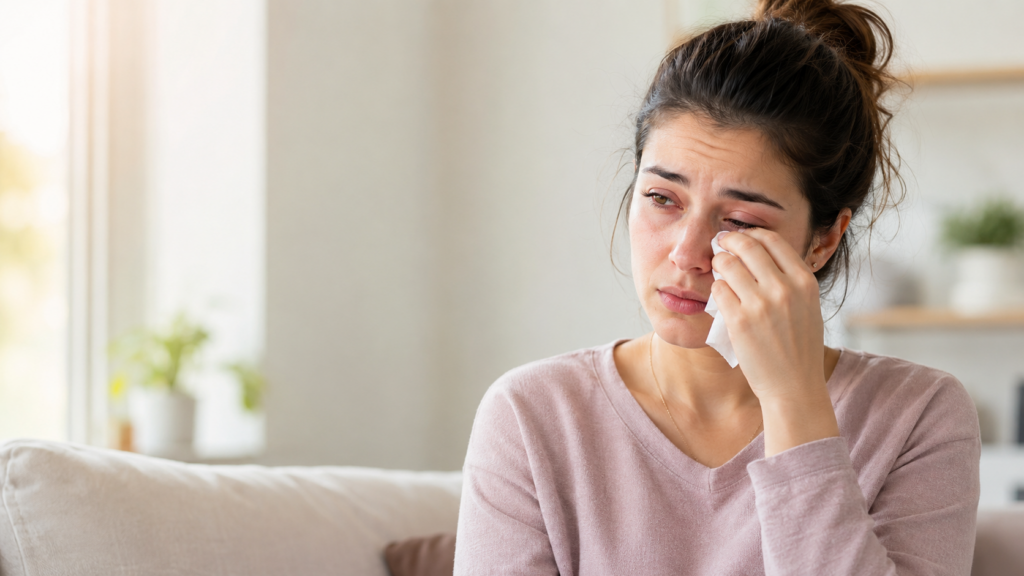
When Eye Allergies and Conditions Become Severe
A severe allergic reaction in your eyes will have many of the typical allergy symptoms, but more intense. Severe eye allergies and conditions to watch for include:
- Sharp pain in the eyes
- Strong light sensitivity
- Trouble seeing clearly
- Extreme redness
- Difficulty opening your eyes
- Blisters around the eyes
If you experience any of these symptoms, seek medical attention as soon as possible. Severe allergic conjunctivitis is most common in people who already have allergies, eczema, hay fever, or asthma.
Even if your symptoms are not severe but they keep coming back, you should still see an eye doctor. When it comes to an allergic reaction, never assume it is not serious.
How to Prevent Eye Allergies and Conditions
The best way to manage eye allergies and conditions is to limit your contact with the allergens that trigger them. Depending on what you react to, that might mean:
- Stay inside during high pollen counts. Pollen is one of the most common allergens, especially in spring. Check local forecasts for daily pollen counts.
- Clean your home with a damp cloth. This traps pollen, dust, and pet dander instead of letting it become airborne.
- Keep your windows closed. This stops outside allergens from drifting indoors.
- Use an air purifier. Air purifiers filter out airborne allergens passively as you go about your day.
Treating Eye Allergies and Conditions at Home
If your symptoms flare up, eye drops and cold compresses can bring relief. Stop using makeup and contact lenses until the irritation clears up.
Above all, do not rub your eyes. Rubbing makes irritation worse and can even cause damage. If your eyes feel itchy, use artificial tears instead. They help flush out the allergens that are irritating your eyes.
For more information on eye allergies and related conditions, the American Academy of Ophthalmology offers detailed guides.
When to See an Eye Doctor
Eye allergies and conditions that linger or get worse need professional care. Our team at Vision Care of Maine can help you find what is causing your symptoms and build a treatment plan that works for you. We see patients in Bangor, Presque Isle, Houlton, and Madawaska.
Schedule an appointment with Vision Care of Maine today.